Get Healthy!
- Posted March 23, 2026
FDA Approves Higher-Dose Wegovy To Help People Lose More Weight
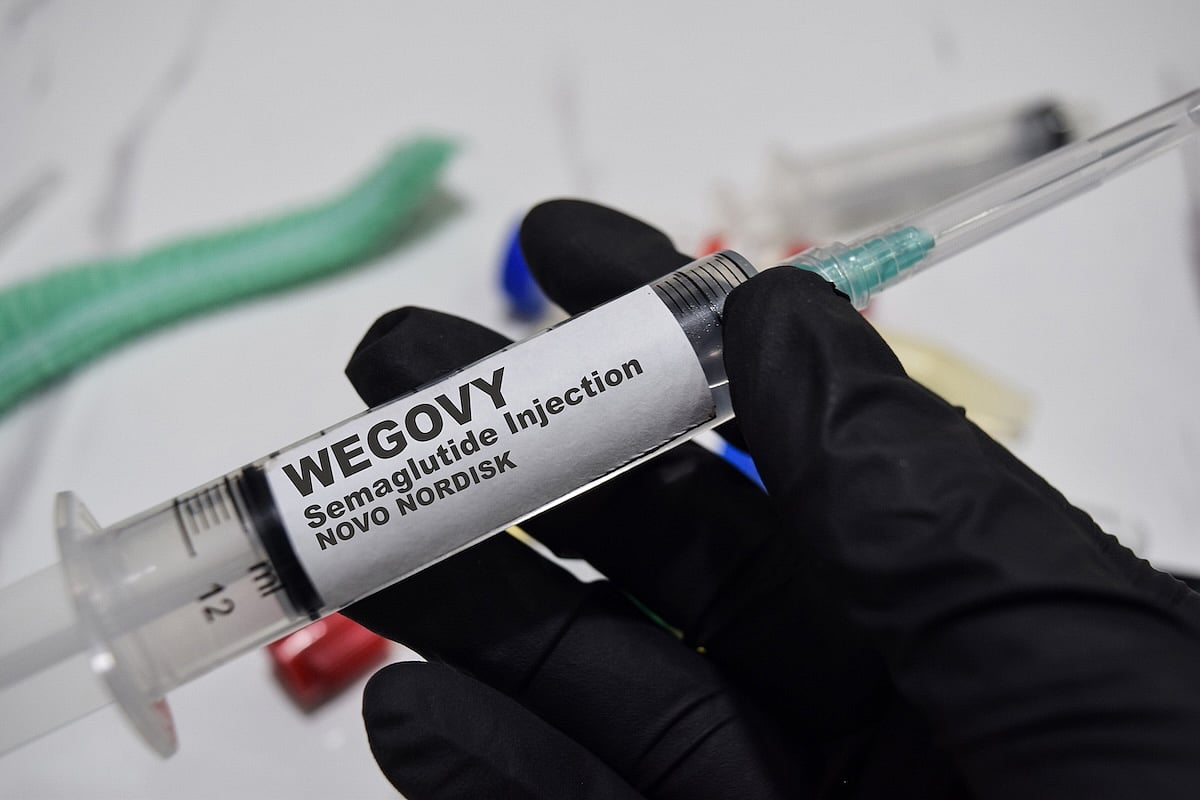
A stronger version of the popular weight loss drug Wegovy is on the way after federal regulators signed off on a higher dose.
The U.S. Food and Drug Administration (FDA) approved a 7.2-milligram dose of Novo Nordisk’s semaglutide, the active ingredient in Wegovy. Until now, the highest approved dose was 2.4 milligrams, taken as a weekly shot.
The new version, called Wegovy HD, went through an accelerated review and was approved just 54 days after the application was accepted, the agency said.
Novo Nordisk said the higher-dose shot is expected to be available in the U.S. in April, when the price is to be announced.
The higher dose was tested in a study that tracked people for nearly 17 months.
Participants who took the stronger dose lost about 19% of their body weight, or about 47 pounds on average. Folks taking the lower dose lost about 16% (or roughly 39 pounds).
Researchers said that the higher dose may help people who don’t see enough results with the 2.4-milligram version.
And while the current dose works for many, The Associated Press reported, “some individuals do not reach their therapeutic goals,” according to findings published earlier in the journal Lancet Diabetes & Endocrinology.
Like other weight loss drugs, the higher the dose, the more a person is likely to deal with side effects.
More than 70% of people taking the higher Wegovy dose reported issues such as nausea, vomiting or constipation. This compares to over 60% with the lower dose and around 43% with a placebo.
Some people also reported unusual skin sensations, like burning or tingling. This happened in about 23% of people on the higher dose, compared to 6% on the lower dose and less than 1% on a placebo.
Serious side effects were reported in nearly 7% of people taking the higher dose, compared to about 11% on the lower dose and about 5% on a placebo.
Dr. Jody Dushay, an endocrinologist at Harvard Medical School, said the new option could be useful for some patients.
It "may be especially helpful for people" who tolerate the lower dose but "have had suboptimal weight loss," she said.
She added it could also help people who don’t respond well to other weight loss drugs.
But increasing the dose from 2.4 mg to 7.2 mg is "quite a big jump," Dushay said, especially without an intermediate dose in between.
“It will be important to see if in the real world, versus in a clinical study, side effects are any worse,” she said.
More information
The Cleveland Clinic has more on GLP-1 agonists.
SOURCE: The Associated Press, March 19, 2026
